“I was able to keep the mess contained and see exactly where the old oil was going. Much easier than working underneath my car.”
— Mike R., Ohio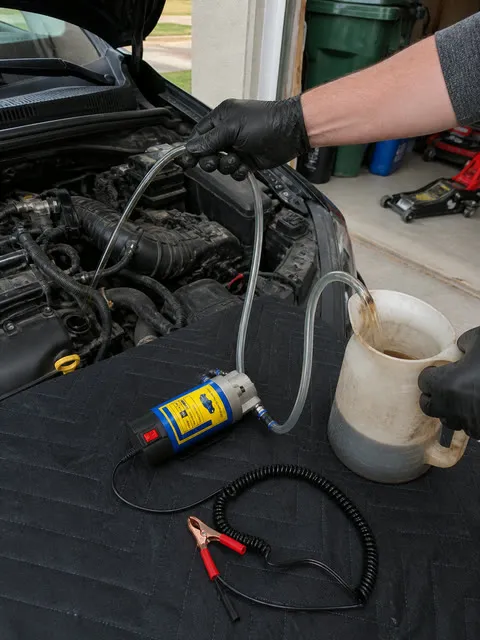
Free worldwide shipping
Free returns
Carbon neutral
Secure payments
Skip the messy crawl underneath
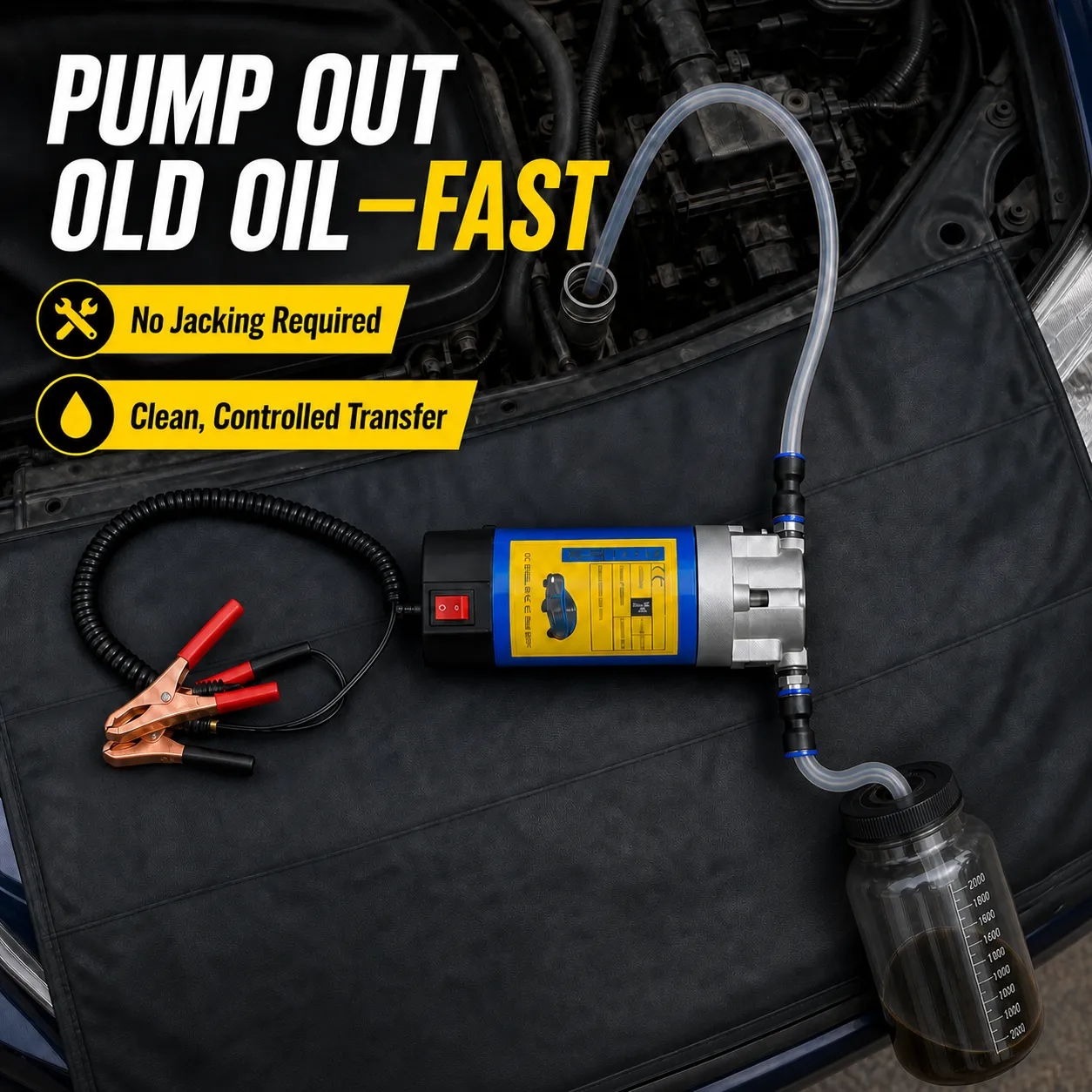
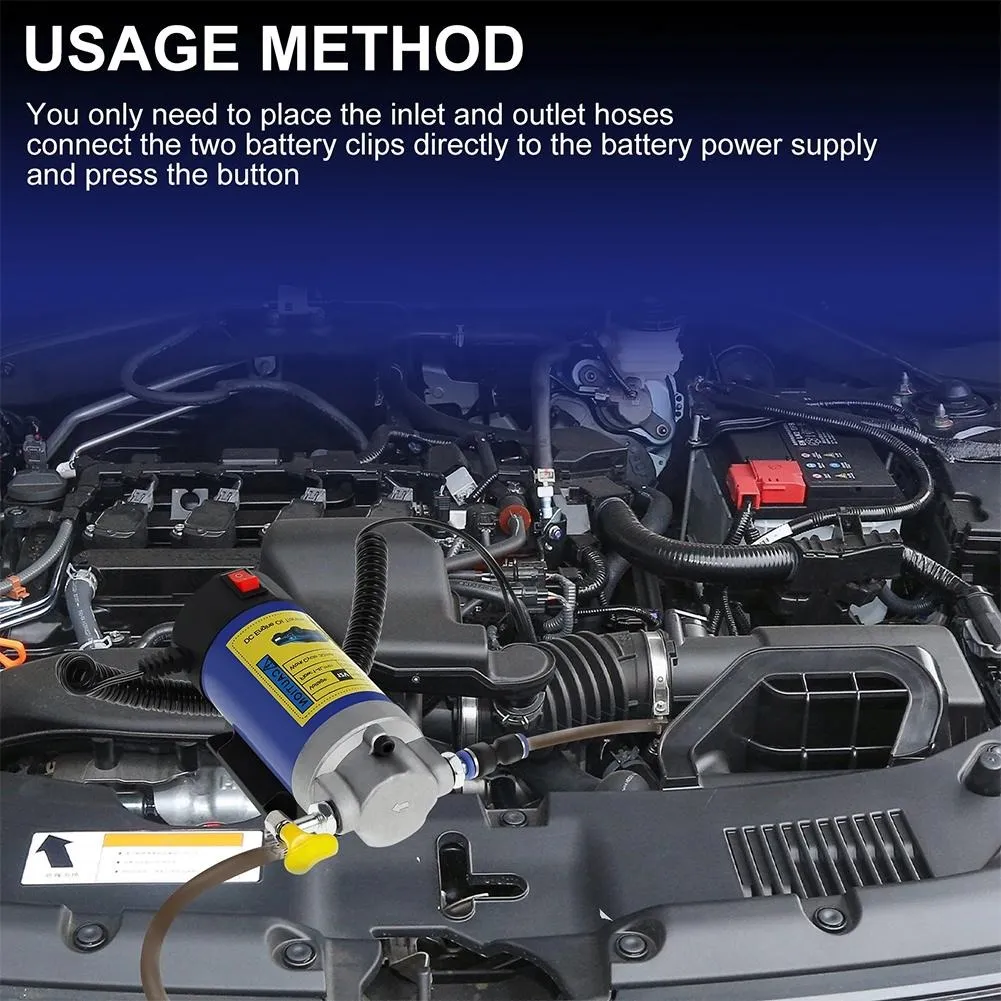
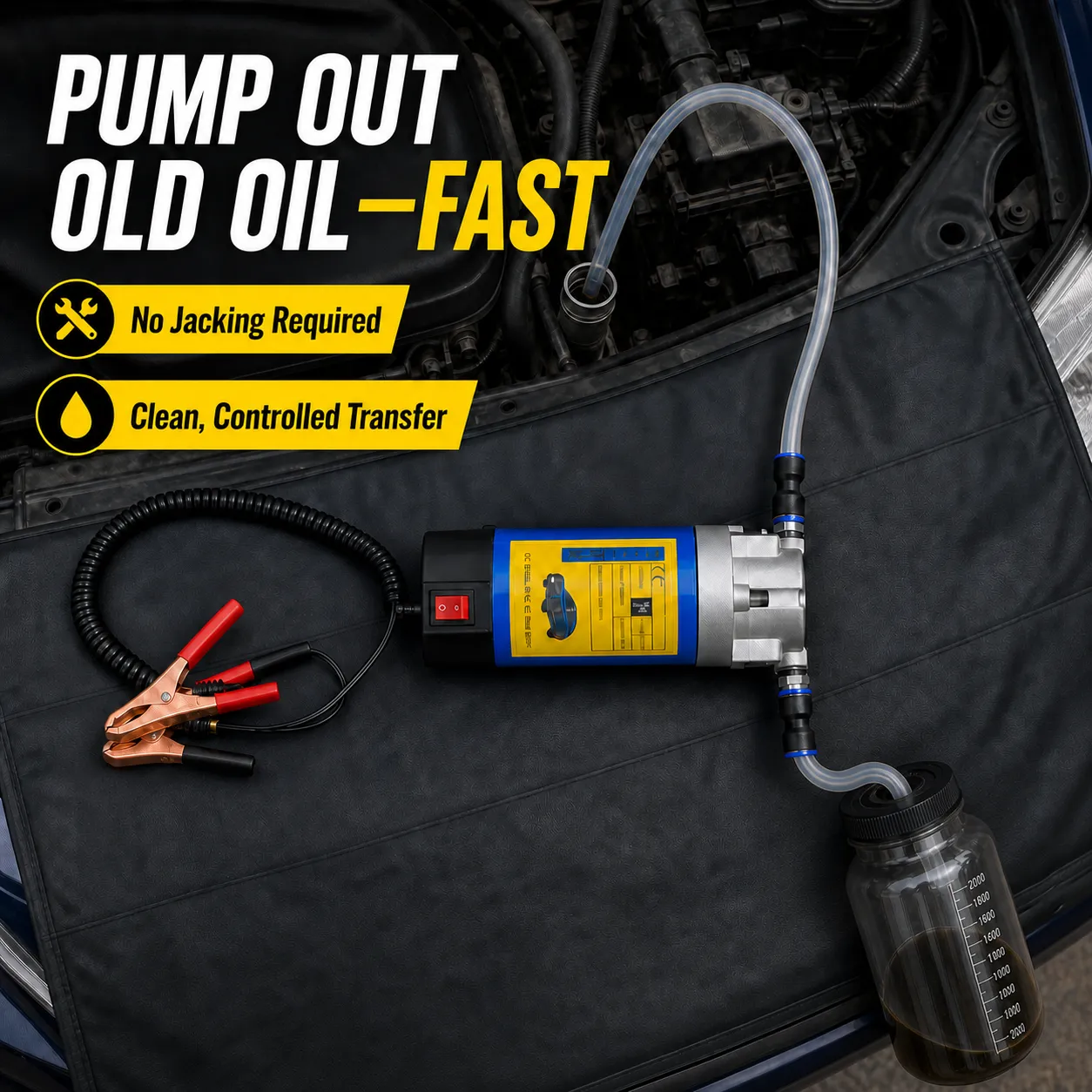
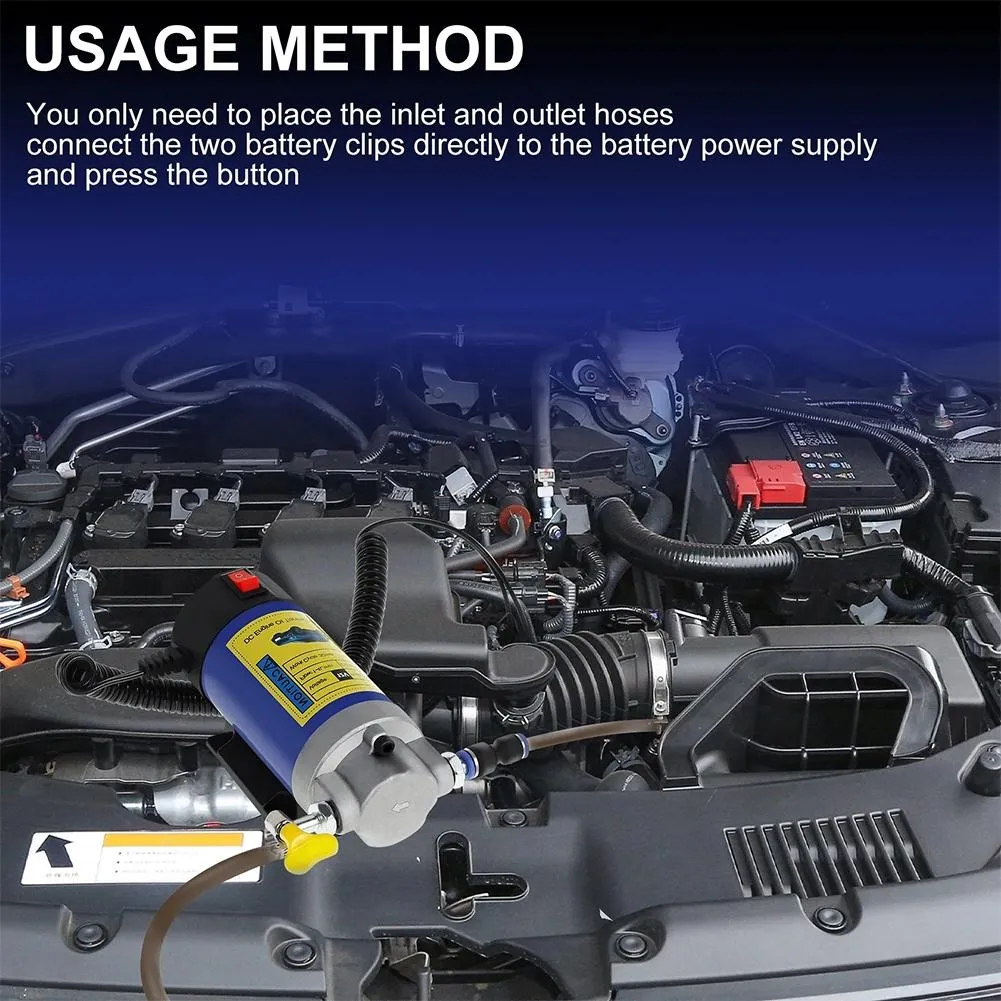
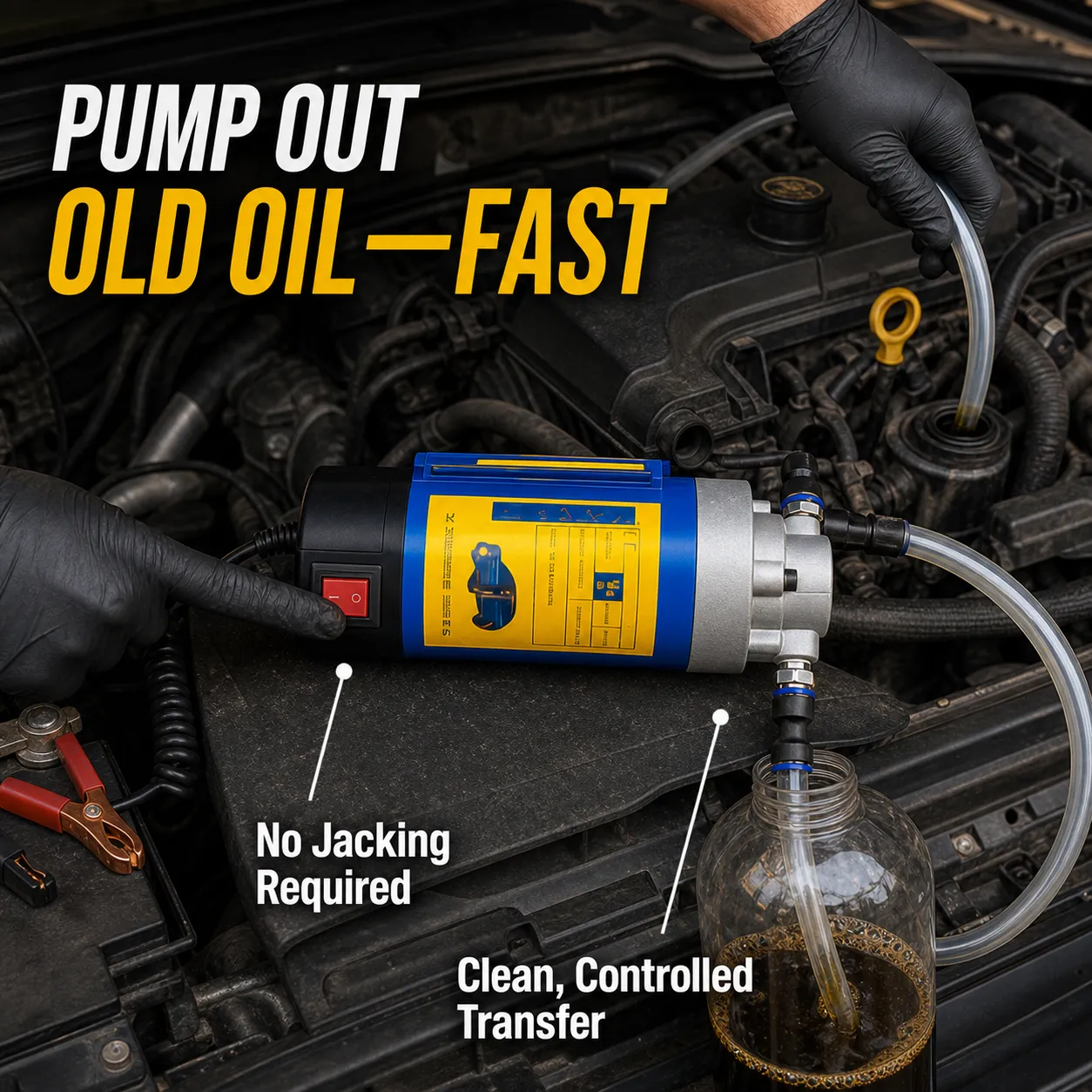
Turn a driveway oil change into a cleaner, more controlled job. Connect to your vehicle battery, guide the inlet hose down the dipstick tube, and transfer used oil straight into a container.

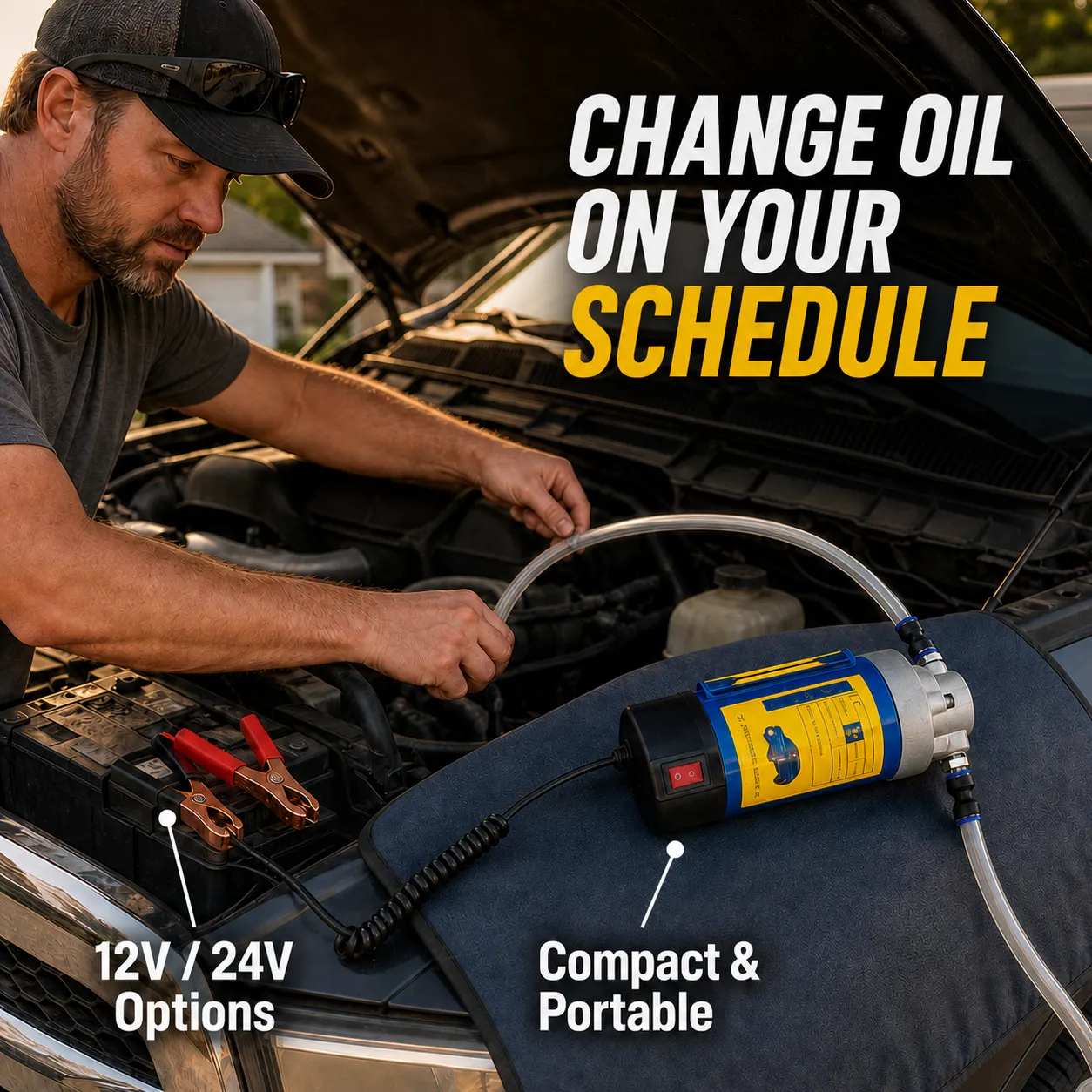
See the full setup: battery power, dipstick-tube access, controlled transfer, and an easier finish.
Extract through the dipstick tube instead of crawling under the vehicle.
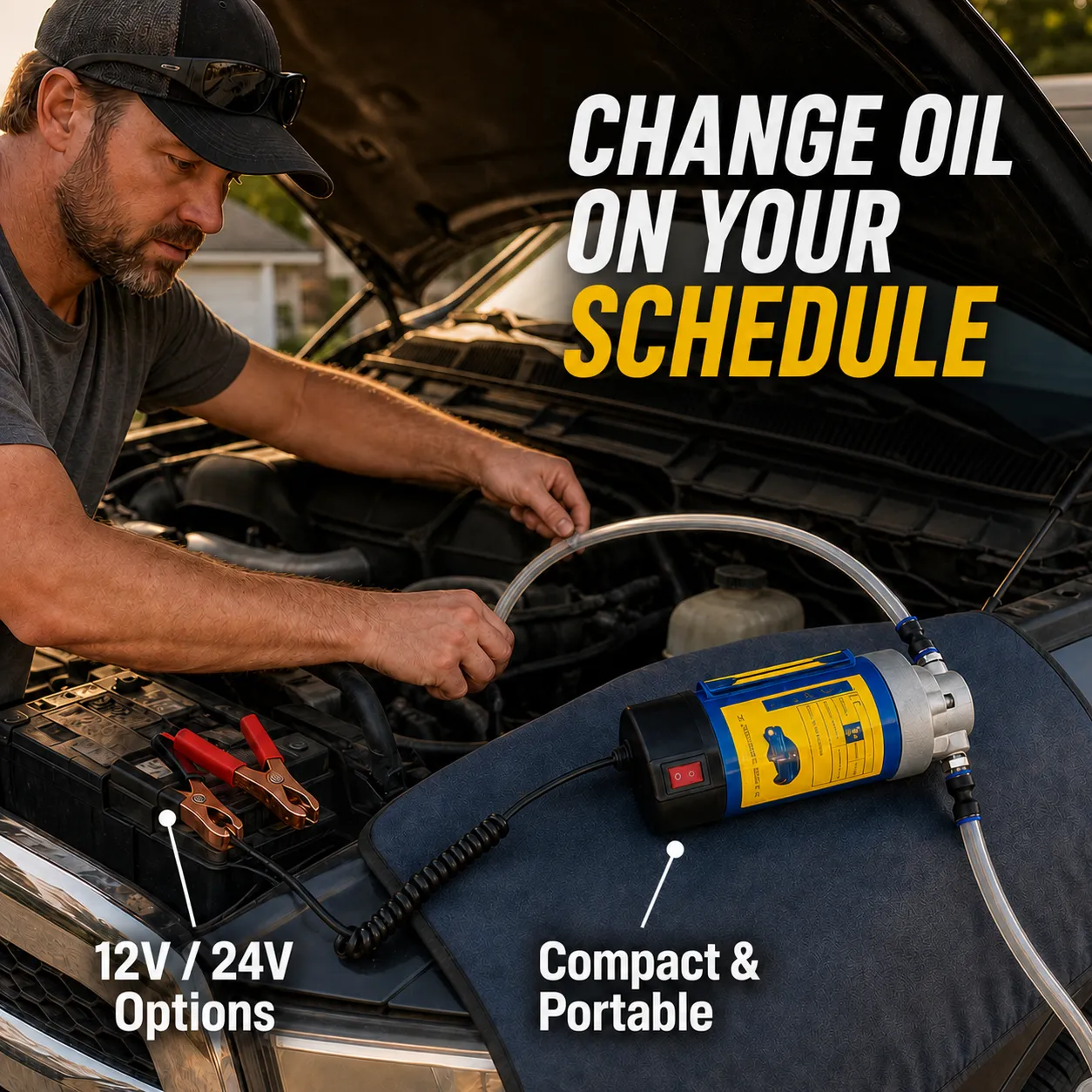
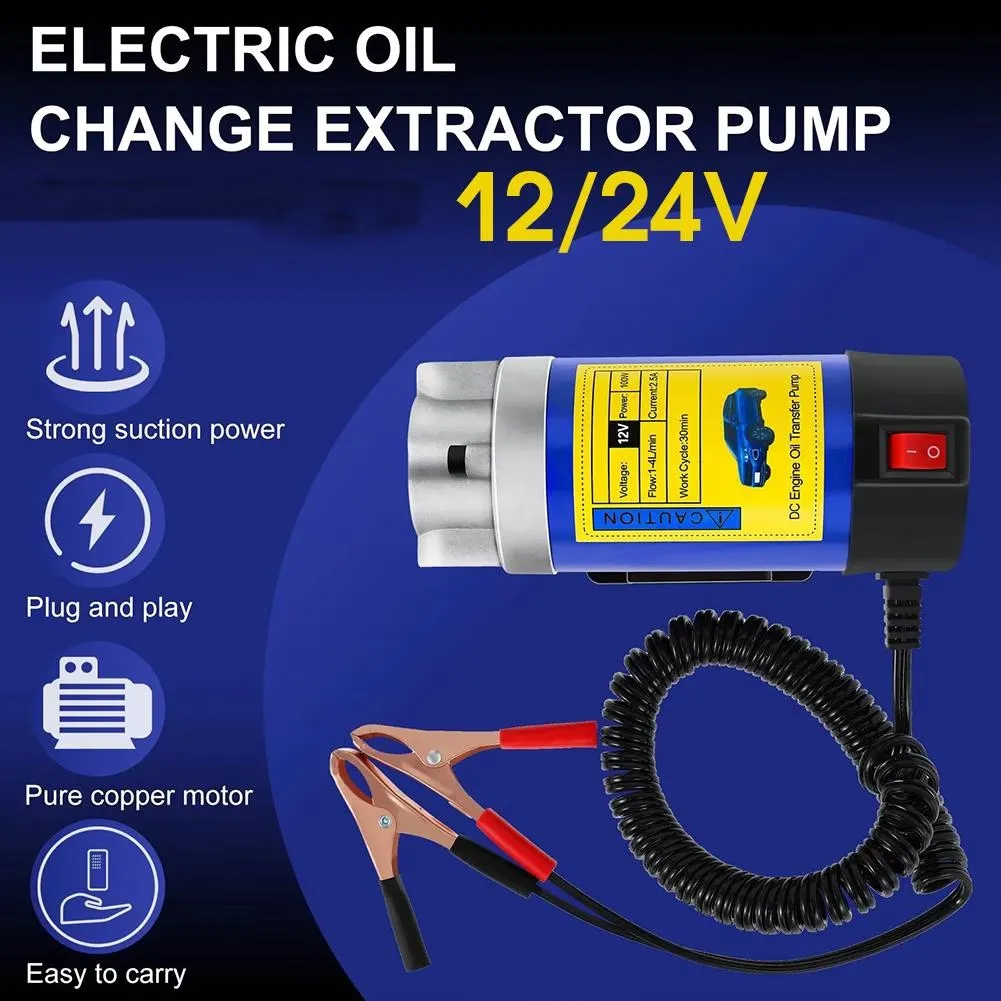
Choose the matching 12V or 24V option for your vehicle setup.
Route old oil directly into a container with less open-pan mess.
Easy to store with your everyday garage and roadside tools.
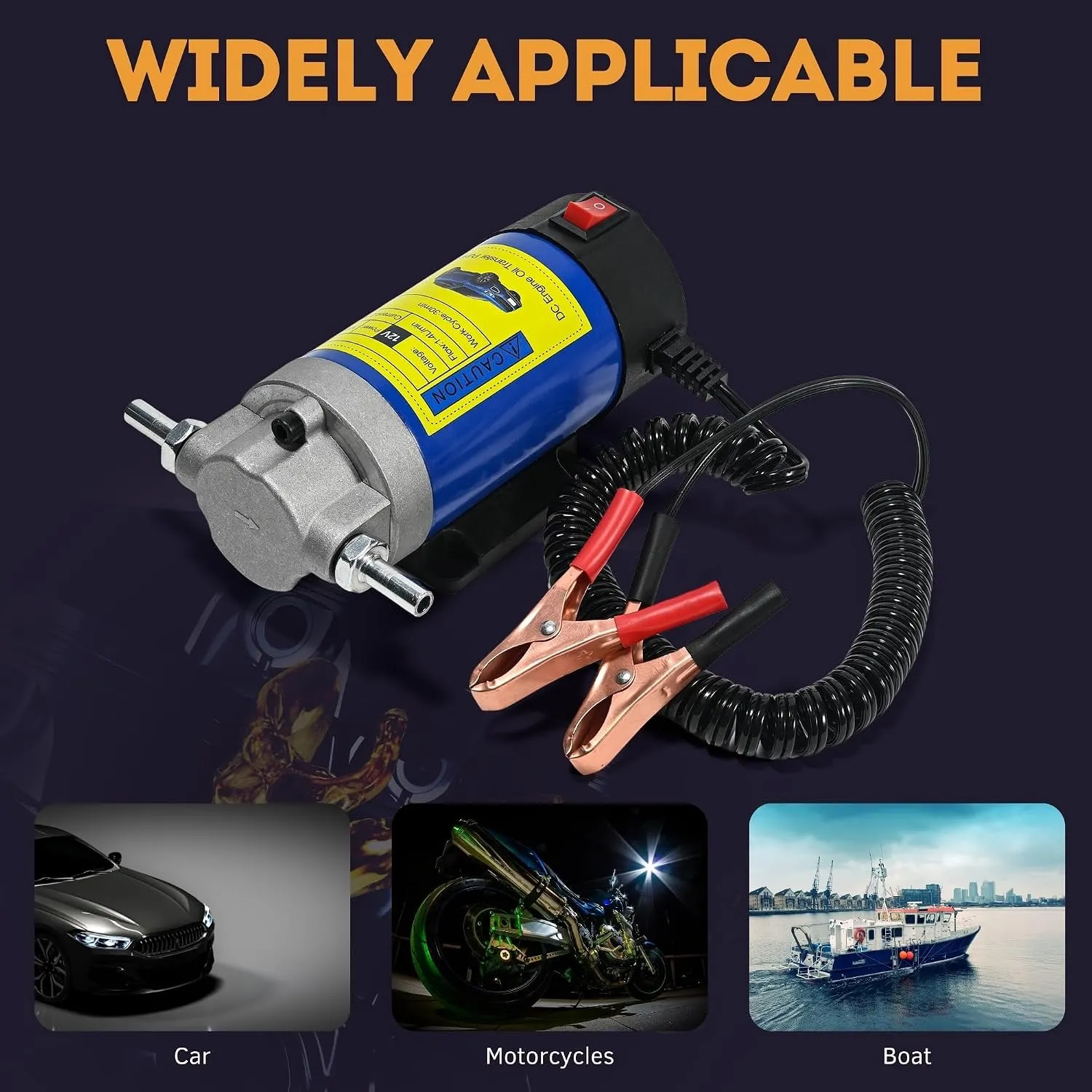
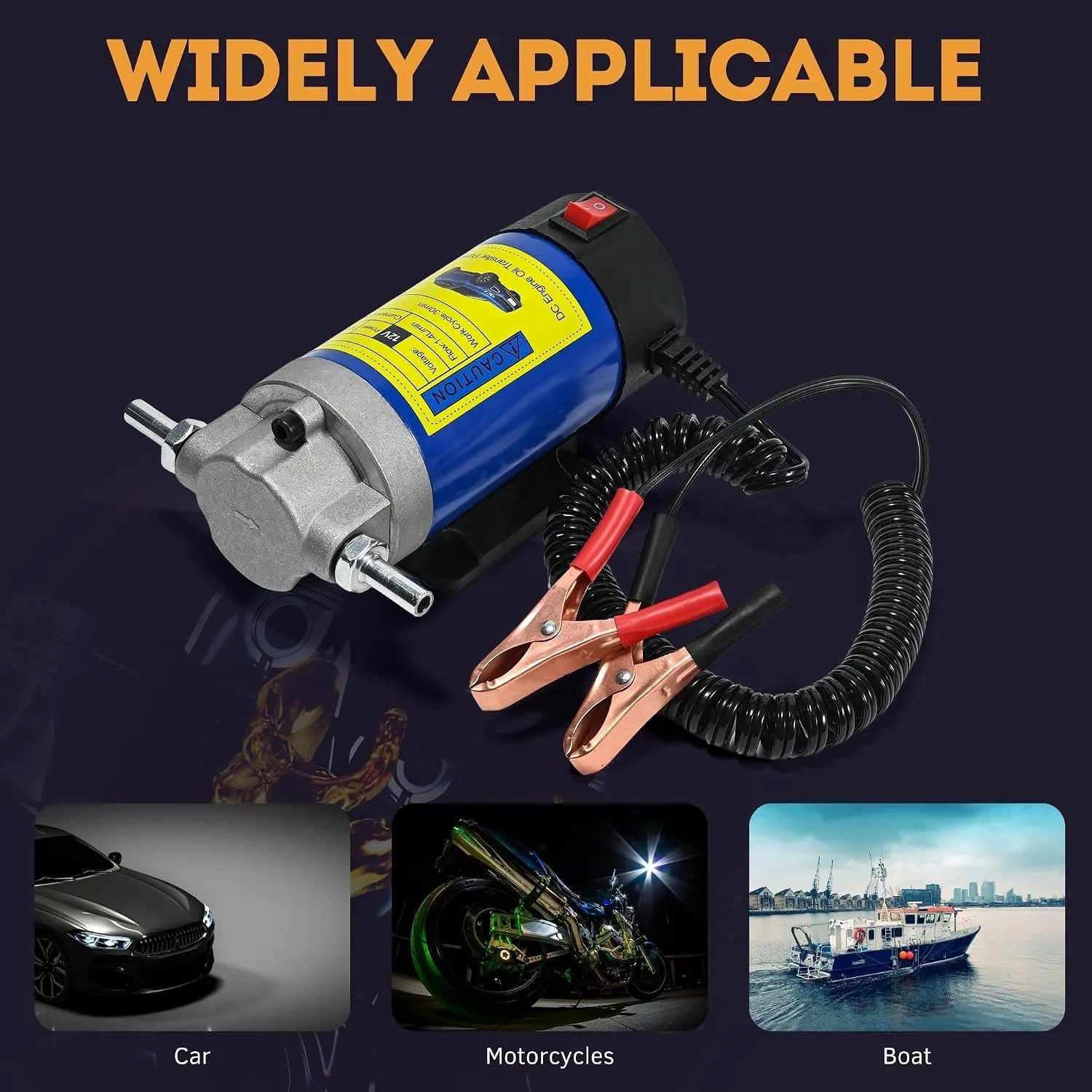
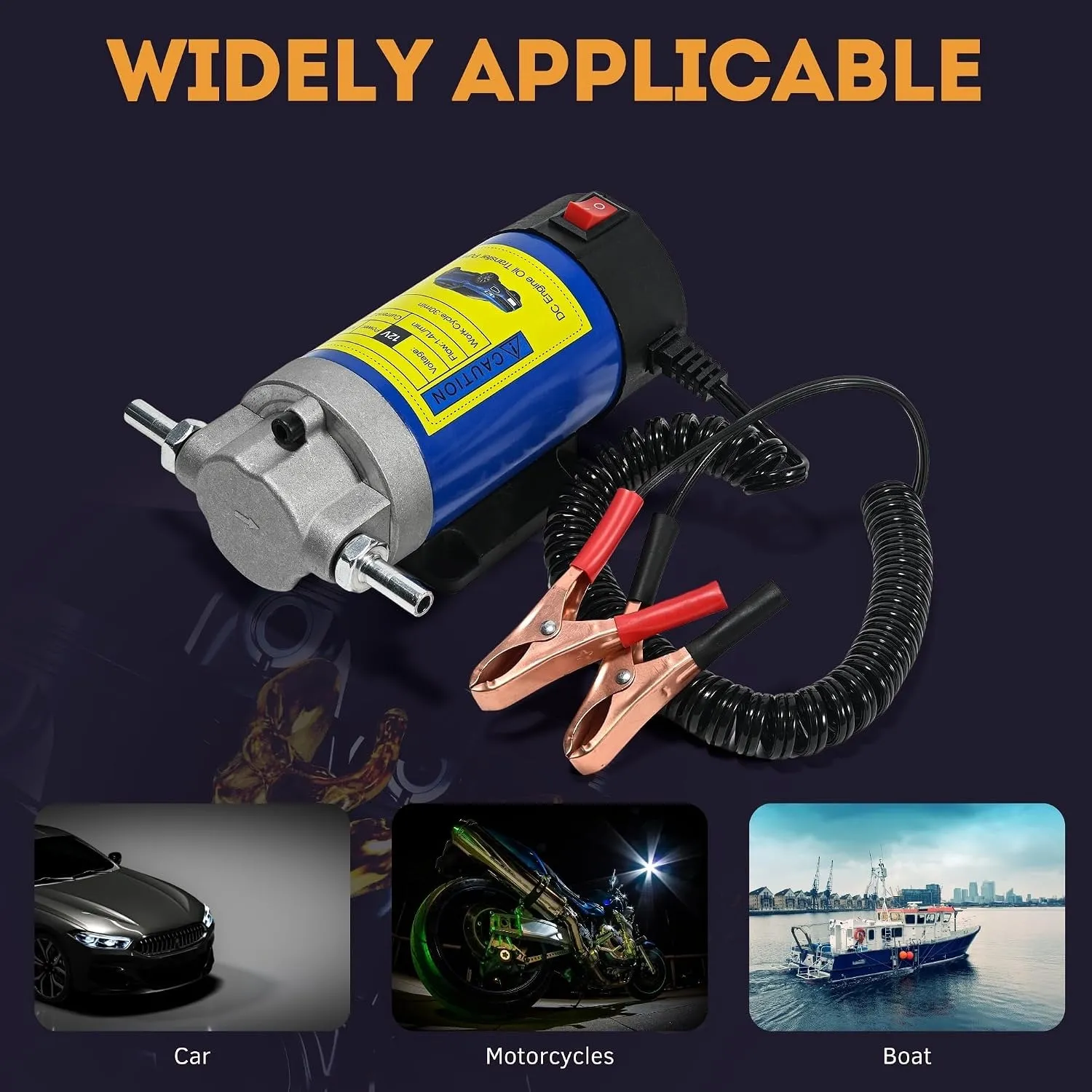
Keep it ready for cars, motorcycles, utility vehicles, farm equipment, boats, and other compatible engines where top-side fluid extraction is appropriate.
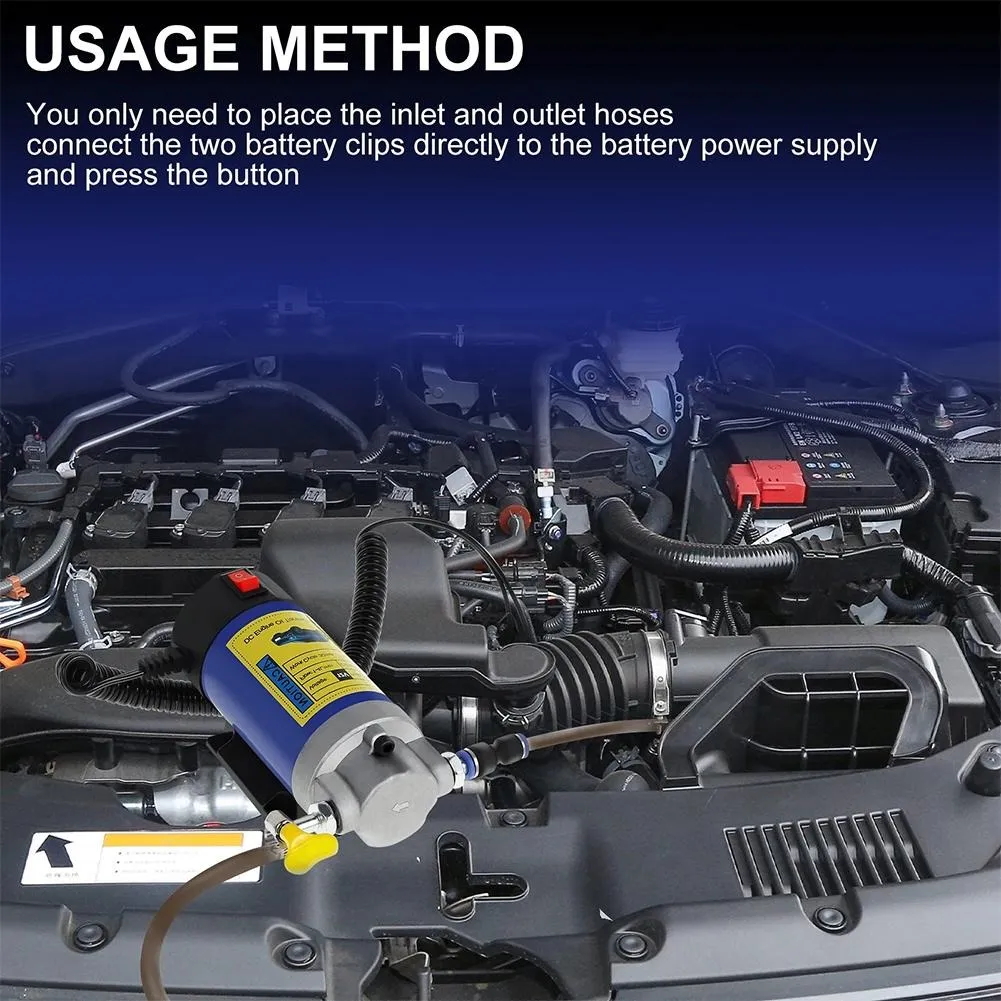
Always confirm hose direction before switching on. Use only for compatible non-flammable automotive fluids and follow your vehicle's service guidance.
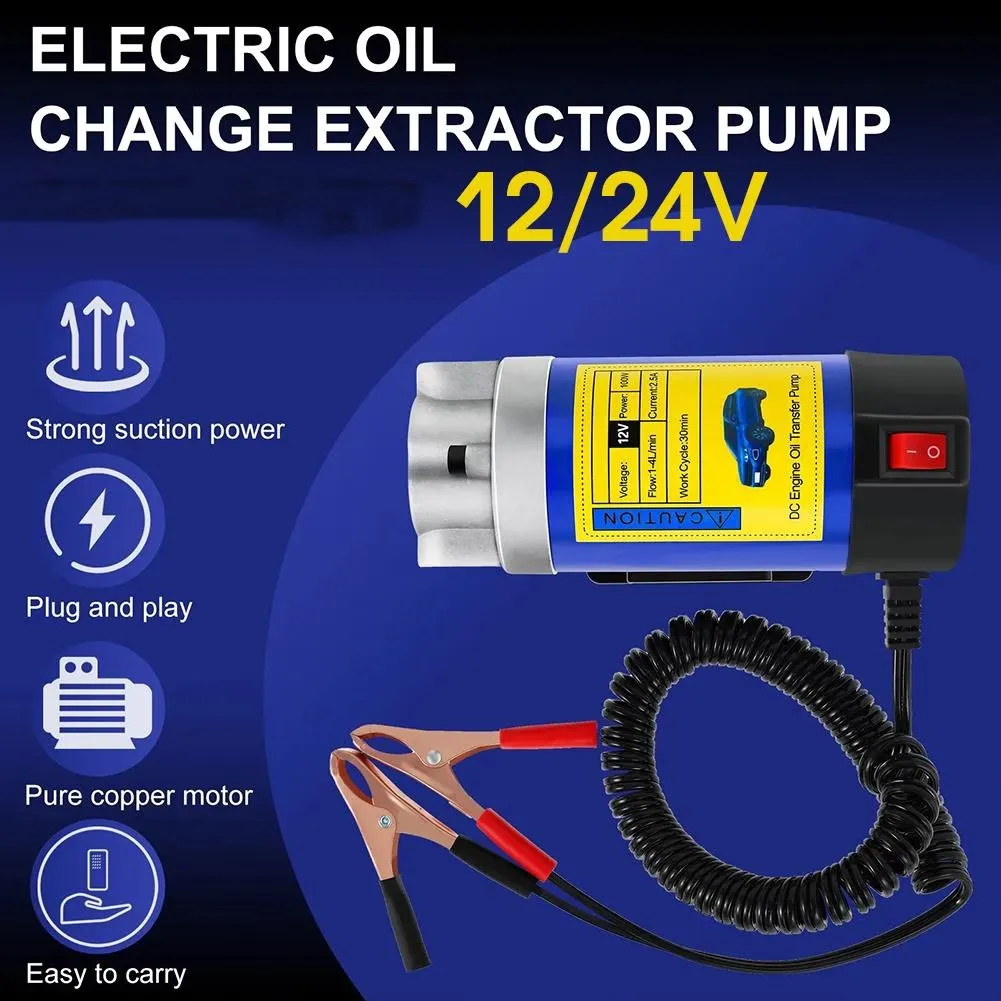
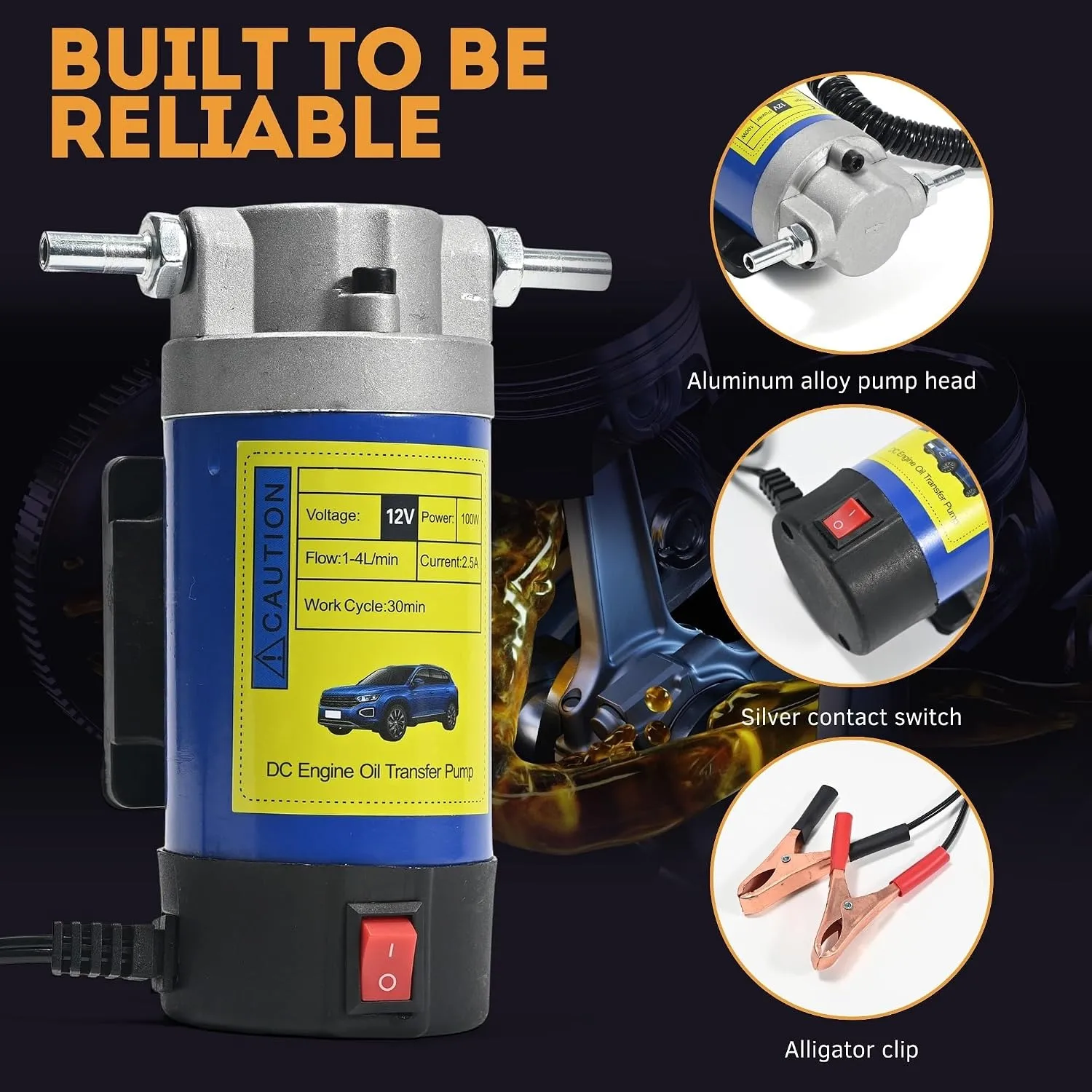
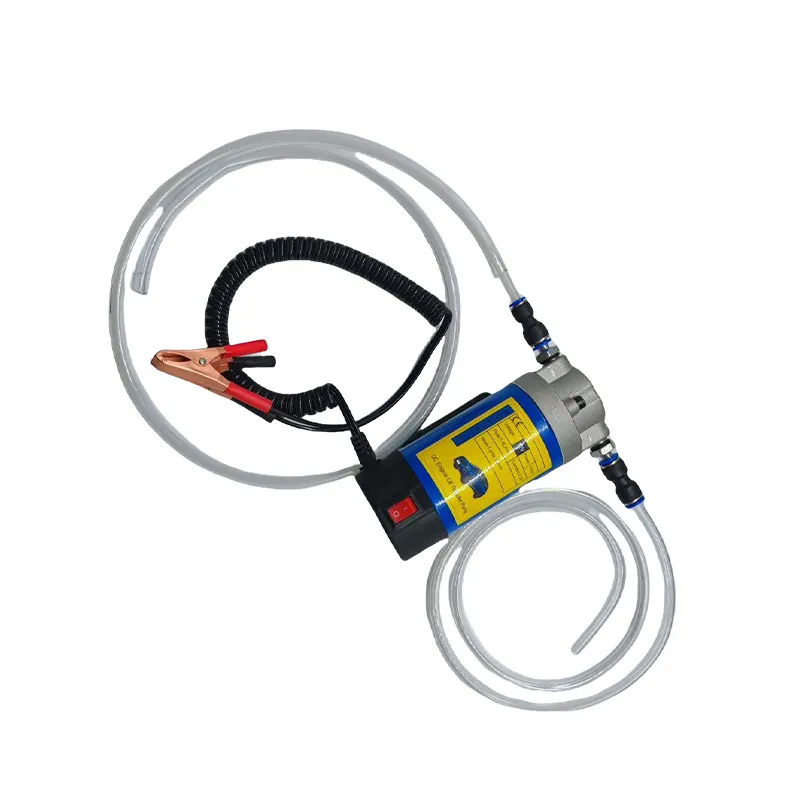
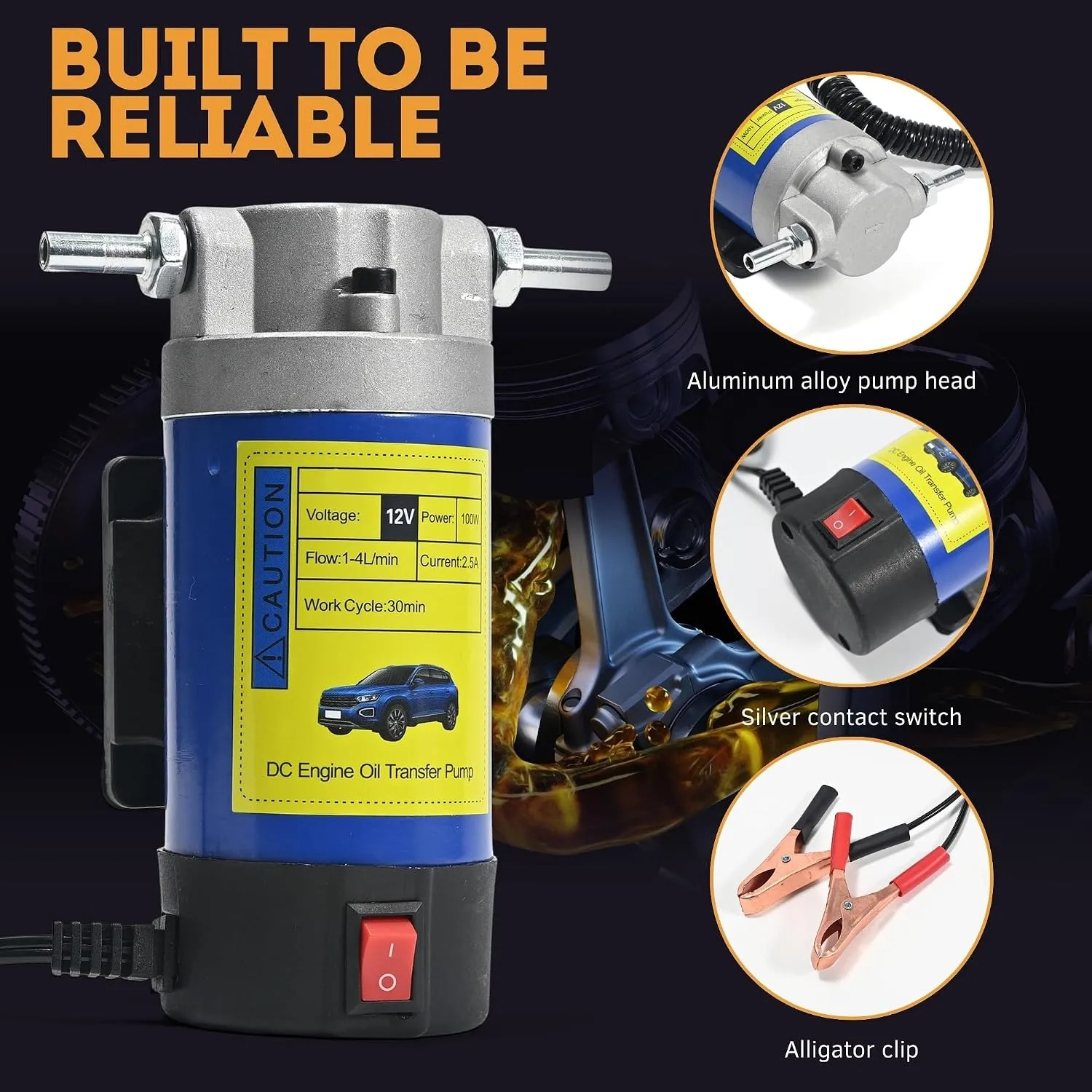
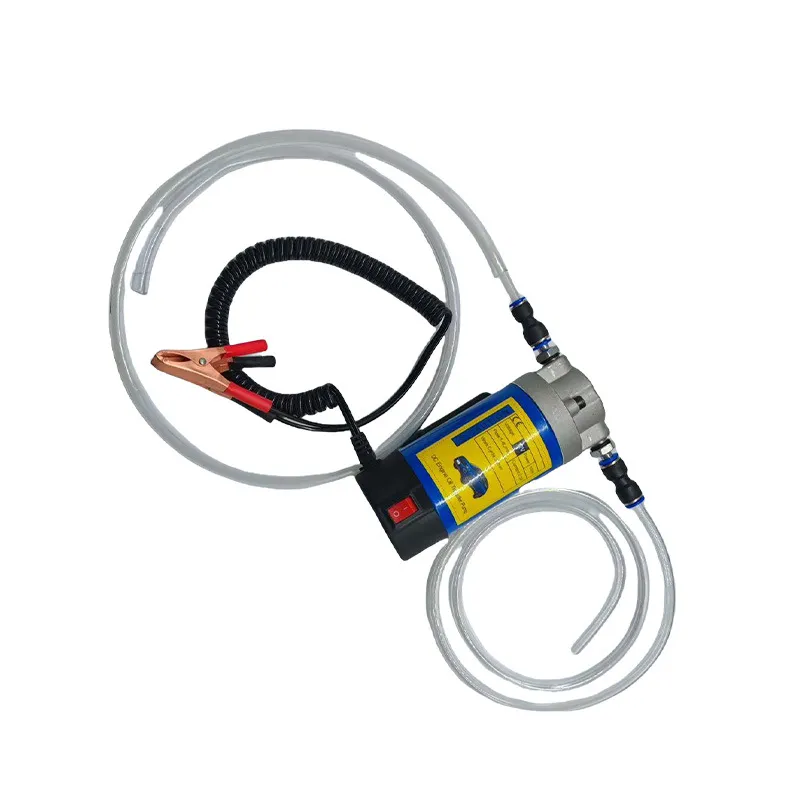
The aluminum-alloy pump head, simple rocker switch, compact motor housing, clear hoses, and direct battery clips keep the setup easy to understand and easy to monitor.
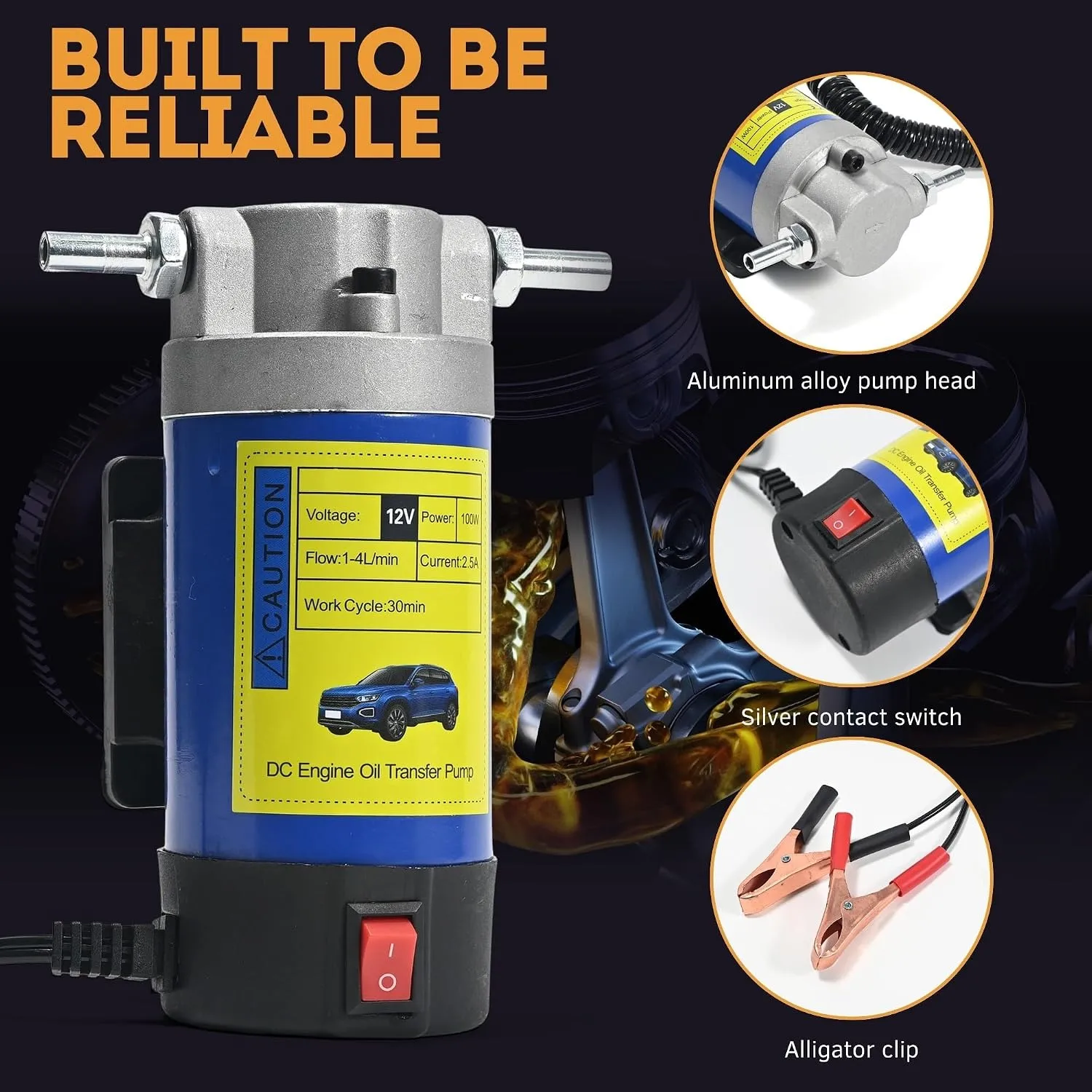
Select 12V or 24V to match the power system you plan to use.
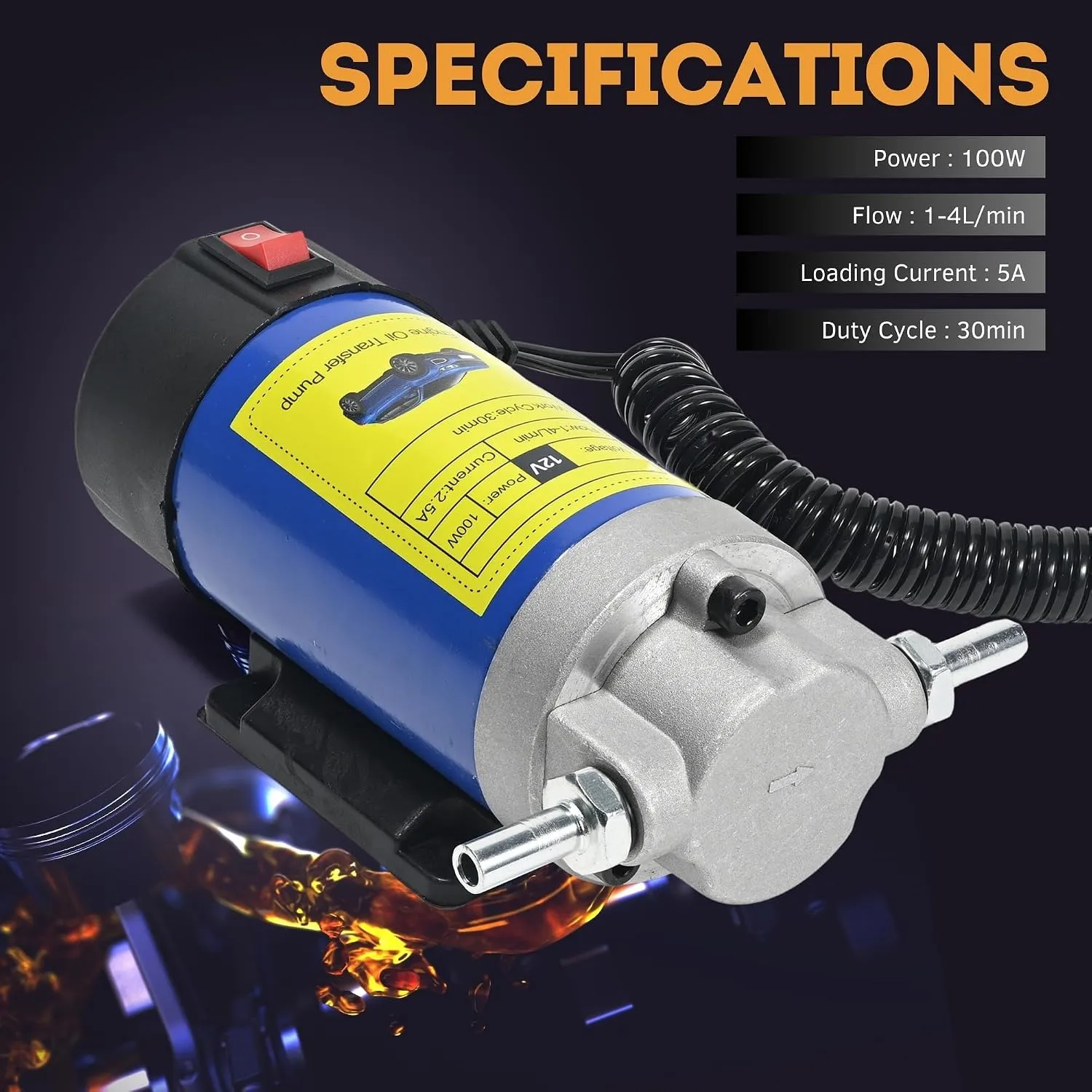
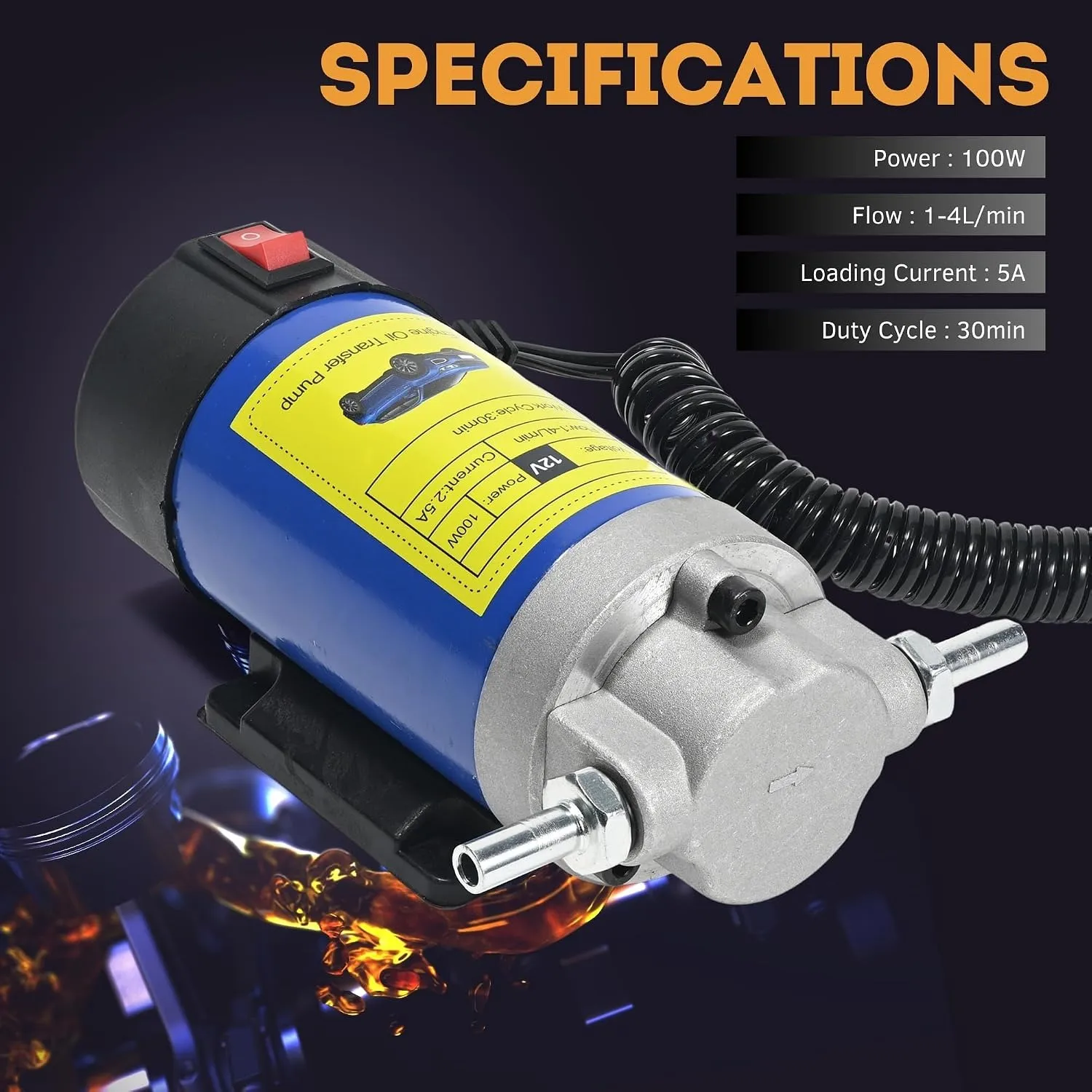
Source materials indicate approximately 0.26–1.06 gallons per minute, depending on fluid temperature and viscosity.
Use in sessions up to 30 minutes, then allow the unit to cool before further operation.
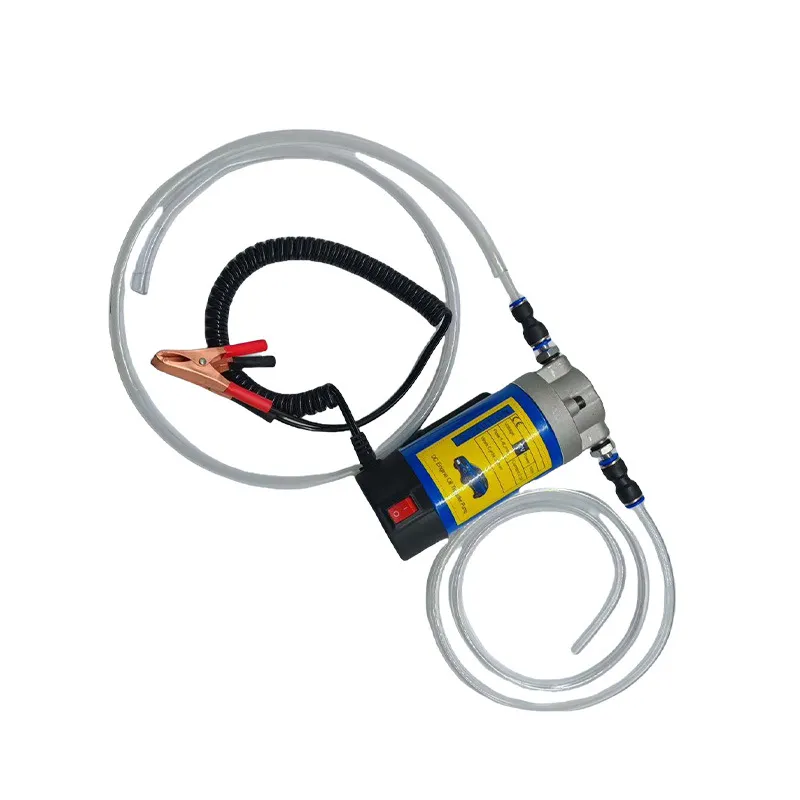
Electric pump, two clear transfer hoses, integrated power lead, and red/black battery clips.
“I was able to keep the mess contained and see exactly where the old oil was going. Much easier than working underneath my car.”
— Mike R., Ohio
“The battery clips make setup straightforward. I keep it with my tractor tools so it is ready when maintenance comes around.”
— Dennis H., Iowa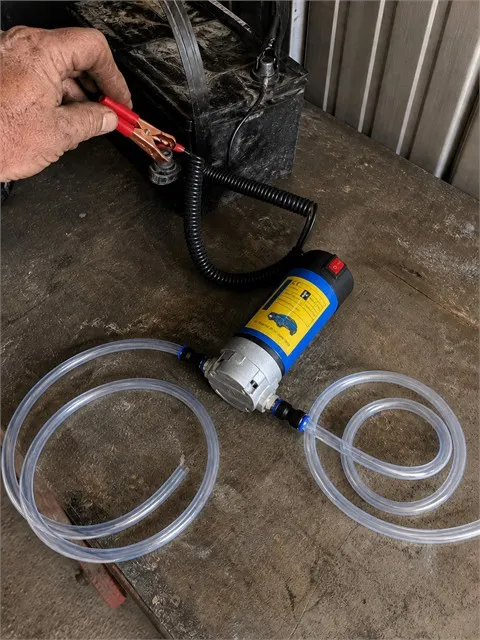
“Cleanup is quick. I wipe the pump down, coil the hoses, and it takes up very little room on my motorcycle workbench.”
— Aaron T., Arizona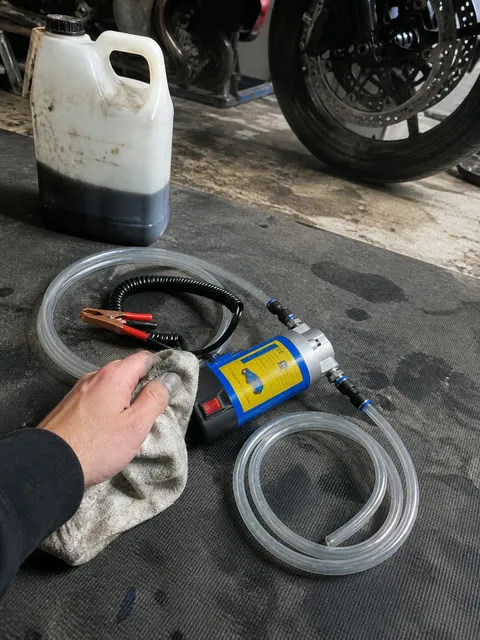
“Everything I need fits together in one compact kit. It is easy to lay out on the tailgate before I start.”
— Carla M., Tennessee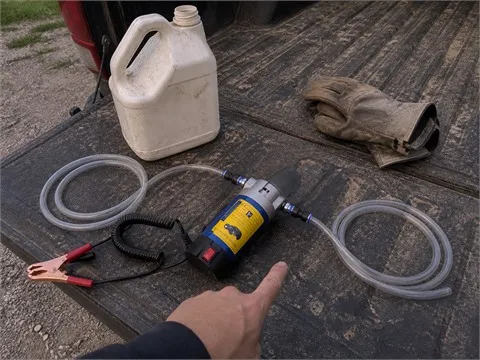
Choose the option that matches the vehicle or power system you plan to connect to. Do not connect a 12V pump to a 24V source or vice versa.
For compatible engines, the inlet hose reaches the oil through the dipstick tube, so lifting the vehicle is not normally required.
Slightly warm oil generally transfers more easily. Switch the engine off before setup and avoid handling hot components or overheated fluid.
No. Do not use this pump with gasoline or other flammable, volatile, or corrosive liquids.
Source materials specify a work cycle of up to 30 minutes. Let the pump cool before another extended session.
Contact our support team. We can help with setup guidance, missing parts, transit damage, or the next practical solution.
If you have questions about hose routing, battery connection, startup, missing pieces, or transit damage, our support team will help you work through a practical solution.
Keep the pump, hoses, and battery lead ready in your garage—then handle routine fluid transfer without the usual crawl and spill-prone drain-pan setup.
loading